

May 17, 2026
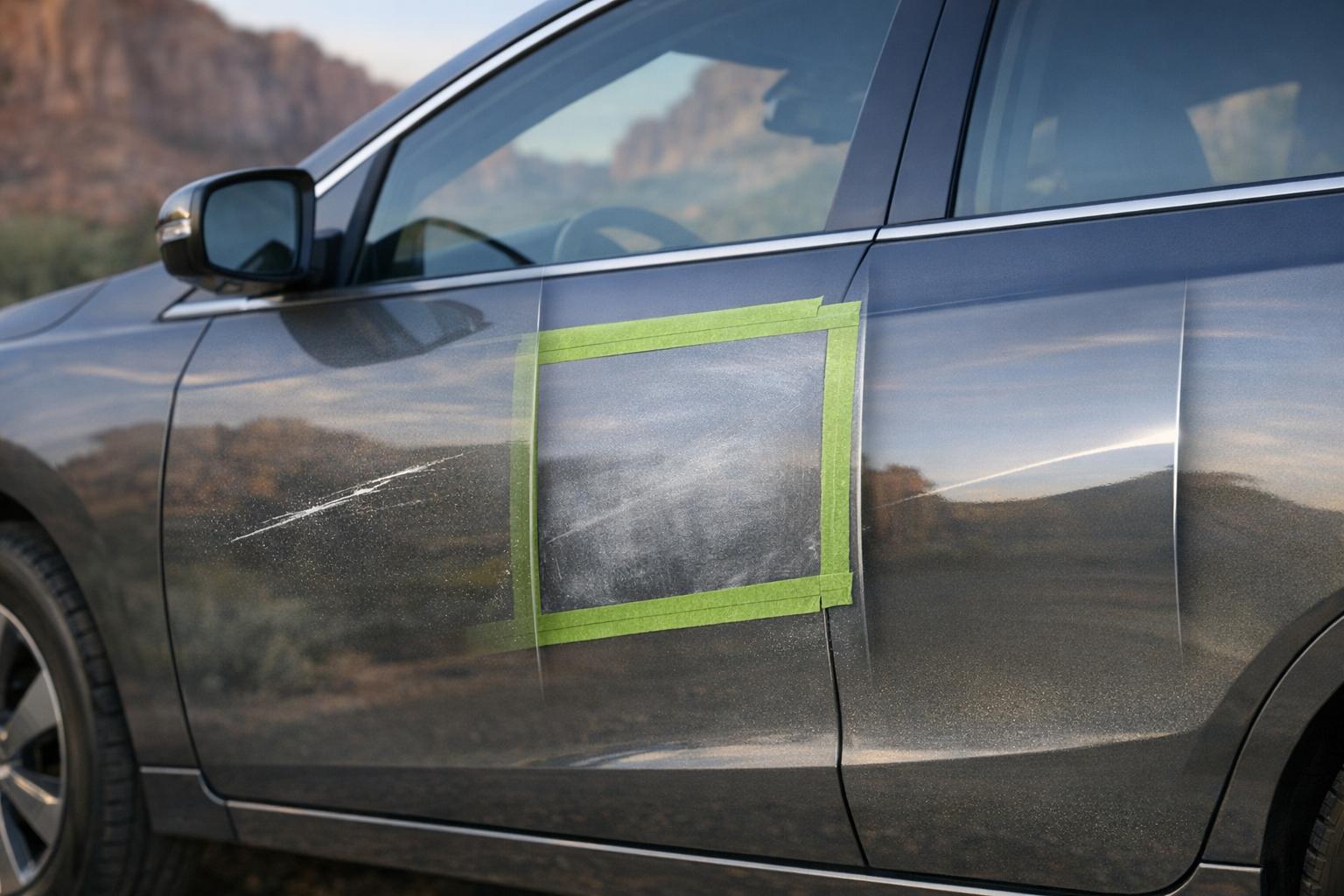
A small mark on your vehicle can be annoying, but not every blemish needs an expensive body shop visit. A Car Scratch Repair Guide helps you understand what kind of damage you’re looking at before you start rubbing in compound or opening a bottle of touch-up paint. That matters, because a light surface scuff calls for a very different fix than a scratch that cuts into color or primer.
The best results usually come from choosing the repair method based on depth, length, and your comfort level with DIY work. Shallow scratches may respond well to polishing, while deeper damage often needs paint correction materials, steady hands, and more patience. If the area is large or the finish is already peeling, professional help may save time and prevent a mismatched repair.
This Car Scratch Repair Guide gives drivers a practical way to sort through those choices. Instead of generic advice, it points you toward realistic next steps, material lists, and safer expectations. If you want a straightforward way to assess minor vehicle paint damage and decide whether to polish, touch up, or call a pro, this tool makes that process much easier.
It’s designed for minor scratches and paint damage, especially the kind many car owners can address at home with the right products and a careful approach. If the damage is deep, wide, rusted, or reaches bare metal, the tool will point users toward touch-up methods or professional repair rather than pretending every scratch has a quick DIY fix.
A surface-level scratch usually affects only the top layer and may fade or disappear with polishing compound. If the mark catches your fingernail easily, looks white, dark, or exposes primer beneath the paint, it’s generally deeper than a simple polish job. In those cases, touch-up paint or expert refinishing is often the better route.
Because good repair advice should match the person doing the work. A beginner may need slower, more detailed instructions, extra prep steps, and clearer material lists, while an advanced user may prefer a shorter guide that gets straight to technique. That makes the tool easier to follow and more useful in real life.
