

April 5, 2026
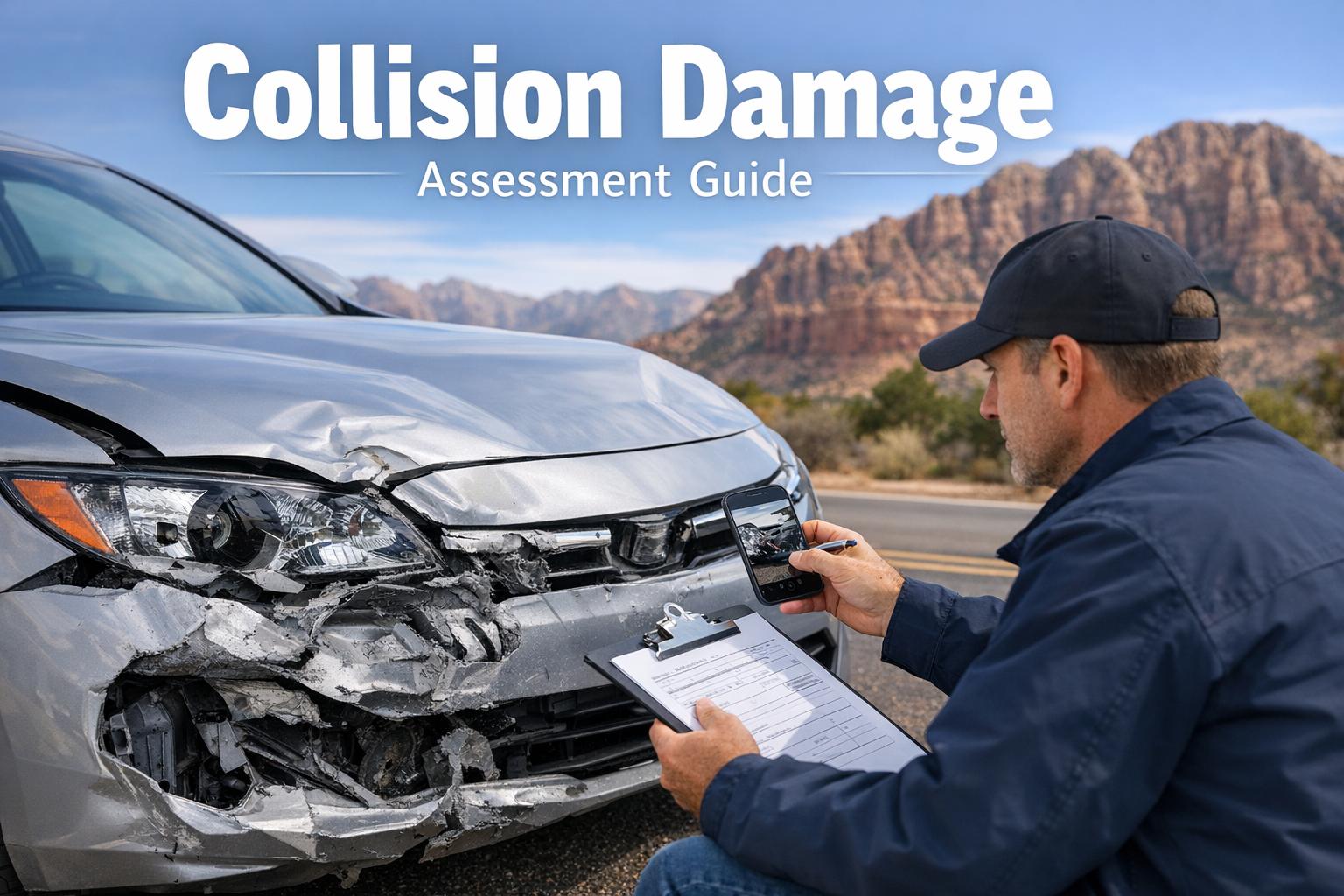
Navigating the aftermath of a car accident can be stressful, especially when you’re unsure about the extent of the damage. Whether it’s a minor scrape or a major dent, getting a sense of your vehicle’s condition is crucial before deciding on repairs. That’s where a resource like a collision damage evaluation tool comes in handy—it helps you break down what’s visible and prioritize next steps.
Taking stock of your car’s condition right after an incident can save time and money. For instance, spotting functional issues like fluid leaks or steering quirks early on can prevent bigger headaches down the road. Even small impacts can hide underlying problems, so documenting affected areas and the type of harm—be it surface scratches or broken components—gives you a clearer starting point. This approach also helps when dealing with insurance claims or repair shops.
While online guides can offer quick insights into auto damage severity, they’re just a first step. Visible signs are only part of the story; hidden structural issues often require a trained eye. If you’re dealing with the aftermath of a crash, pairing a preliminary check with a visit to a certified mechanic ensures your safety and peace of mind.
Nope, this tool isn’t a substitute for a professional evaluation. It’s designed to give you a rough idea of the damage severity based on what you’re seeing. A certified mechanic or body shop can spot hidden issues like frame damage or internal problems that aren’t visible to the untrained eye. Always get a full inspection after a collision, especially if you suspect structural damage.
We aim to provide a helpful starting point, but accuracy depends on the details you provide and what’s visible. Things like internal mechanical issues or subtle frame bends might not show up right away. Use this as a general guide to understand if you’re likely dealing with cosmetic fixes or something more serious, then follow up with an expert for the full picture.
If the assessment points to possible structural or frame damage, don’t drive the car until it’s been checked by a professional. Structural issues can affect safety, even if the vehicle seems drivable. Reach out to a trusted mechanic or body shop right away for a thorough inspection, and avoid taking risks on the road.
