

June 14, 2026
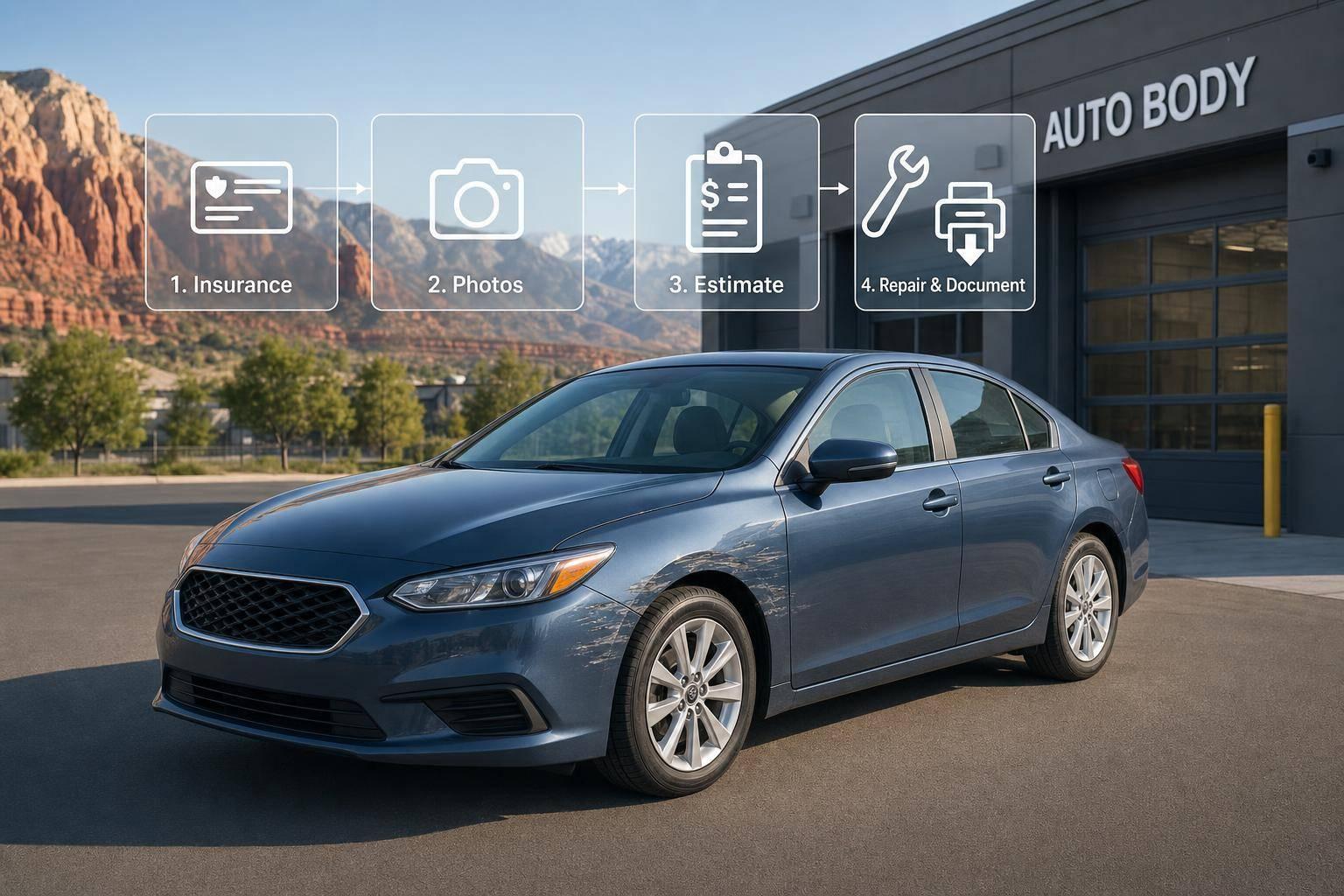
A vehicle collision can leave you juggling insurance calls, repair decisions, and a long list of small but important tasks. A Collision Repair Checklist Generator helps bring order to that chaos by turning a few basic details into a practical, step-by-step plan. Instead of wondering what to do next, you get a checklist built around your incident date, vehicle information, and a short description of the damage.
Whether you’re dealing with a minor fender bender or a more serious crash, the right next steps matter. This tool can highlight essentials like taking damage photos, requesting repair estimates, contacting your insurance company, and arranging service with a body shop. If the damage sounds more severe, the checklist can place greater emphasis on safety-related actions and urgent repair coordination.
The biggest advantage is clarity. A personalized auto repair checklist gives you something concrete to follow when things feel scattered. You can print it, download it, and check off each step as you go. Just as important, the tool is designed to respect privacy, using your input to generate results without storing sensitive information unless you clearly choose that option.
The checklist is tailored using the damage description you provide. If your notes suggest something light, like a scratched bumper, dented fender, or low-speed impact, the tool leans toward a simpler follow-up process. If you describe heavier damage, airbag deployment, broken lights, fluid leaks, frame concerns, or the car being unsafe to drive, it adds more urgent steps such as towing, safety checks, and faster coordination with insurance and repair shops. It’s meant to guide organization, not replace a professional inspection.
No, the tool is designed with privacy in mind and should not store sensitive information by default. Your incident details, vehicle information, and damage notes are used only to generate the checklist unless you explicitly choose a save option, if one is offered. That makes it a practical choice for people who want help getting organized without creating an unnecessary data trail.
Yes. The checklist is built around the real steps many drivers need after a collision, including documenting damage, collecting photos, contacting insurance, requesting estimates, and scheduling repairs. It gives you a clean, trackable list you can print or download, which makes it easier to keep paperwork, appointments, and claim-related tasks in order. It won’t replace your insurer’s instructions, but it can make the whole process feel much more manageable.
