

January 18, 2026
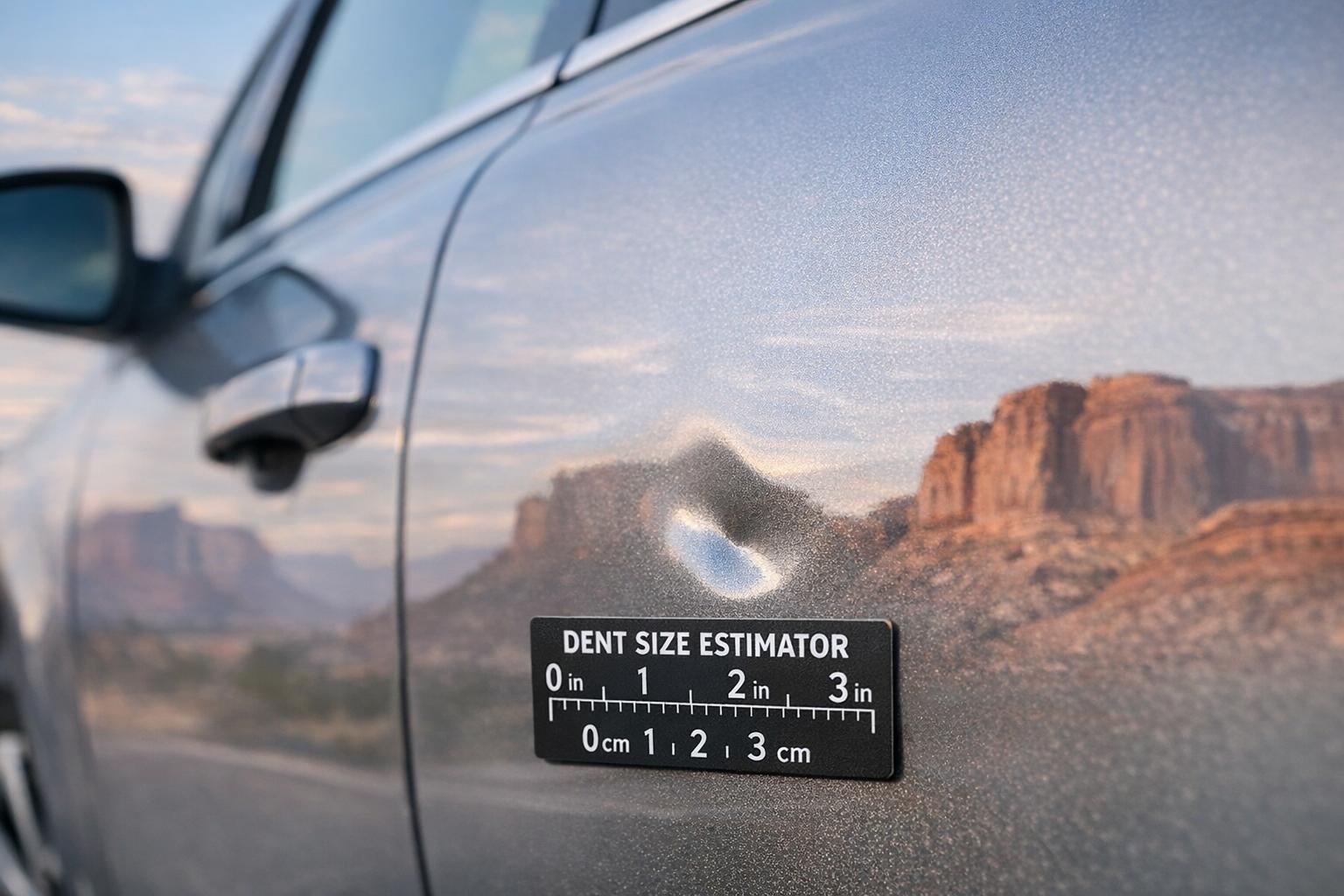
Dealing with a dent on your car can be frustrating, especially when you’re unsure about the repair bill. Whether it’s a small ding from a parking lot mishap or a larger blemish from a minor fender bender, knowing what to expect cost-wise helps you plan better. That’s where a reliable dent assessment tool comes in handy—it offers a quick way to gauge potential expenses without needing to visit a shop right away.
The extent of damage plays a huge role in determining repair costs. A tiny, shallow mark on a flat surface like a door might only set you back a modest amount, often fixed with paintless techniques. On the other hand, a deeper or wider imperfection, especially in tricky spots like the hood or roof, could require more intensive work, driving up the price. Beyond size, factors like your car’s make, local labor rates, and whether paint damage occurred also influence the final tally.
Before heading to a body shop, using an online utility to estimate auto repair costs can save time and reduce surprises. It’s a practical first step to budgeting for fixes and deciding if insurance is worth involving. Armed with a rough figure, you’re better prepared to discuss options with professionals and avoid overpaying for minor issues.
Our Dent Size Estimator gives a general cost range based on typical industry standards for dent repairs. Keep in mind, though, that actual costs can vary depending on your location, the specific repair shop, and the method they use—like paintless dent repair versus traditional bodywork. It’s always a good idea to get a few quotes from local shops for the most accurate pricing, but this tool is a great starting point to understand what you might be looking at.
Several things play into the cost of fixing a dent. The size and depth are big factors—small, shallow dings are usually cheaper to fix than large, deep ones. Location on the vehicle matters too; a dent on a curved or hard-to-reach spot like the roof might cost more. Then there’s the repair method—paintless dent removal is often less expensive if the paint isn’t damaged. Lastly, labor rates in your area and the make or model of your car can nudge the price up or down.
Absolutely, this tool works for most personal vehicles like cars, SUVs, and light trucks. The cost ranges are based on standard auto body repair data, so they should apply broadly. That said, if you’ve got something unique like a vintage car, luxury model, or heavy-duty truck, the estimates might not be as precise due to specialized parts or labor. For those cases, it’s best to consult a professional directly after getting a rough idea here.
