

February 8, 2026
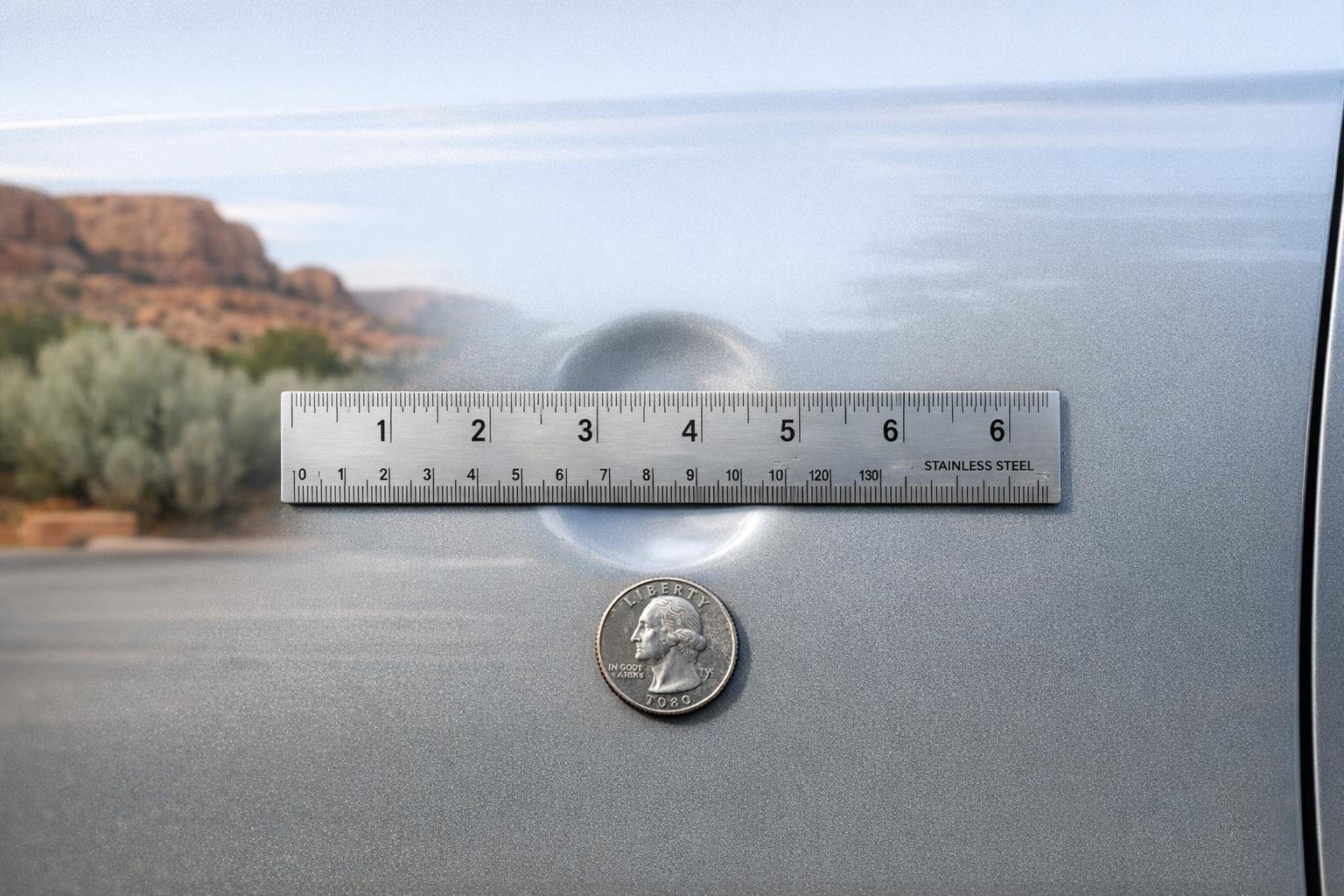
When your car takes a hit, figuring out the extent of the damage can feel overwhelming. That’s where a dent size estimator comes in handy. This innovative web-based solution lets you input measurements or compare the damage to everyday items, giving you a quick read on whether you’re dealing with a small ding or something more serious.
Understanding the scale of a vehicle blemish isn’t just about aesthetics—it’s about planning the right repair approach. A tiny scratch or shallow mark might be a weekend project with a DIY kit, while deeper or wider damage often calls for professional expertise. By using a tool to gauge the severity, you save time and avoid guesswork. Plus, having a rough idea of the issue can help when getting quotes from repair shops.
While no online tool can fully replace an in-person assessment, getting a preliminary evaluation empowers you as a car owner. Pair this with photos of the damage and some research on local services, and you’re well on your way to restoring your ride. Take control of the process today with a simple, user-friendly way to measure vehicle dents.
Our tool provides a solid estimate based on the measurements you input or the object comparisons you choose. It’s not a replacement for a professional inspection, but it’s a great first step to understand the severity of the damage. Just make sure to measure as precisely as you can, and if the numbers seem off, we’ll prompt you to double-check.
It depends on the dent’s category and your skill level. For minor dents—think small, shallow dings—DIY kits or techniques like using a plunger might work if you’re handy. But for moderate or severe damage, especially if the paint’s cracked or the metal’s deeply creased, it’s usually best to consult a pro to avoid making things worse. Our tool gives a general nudge in the right direction, but always trust your gut too.
No worries! If the numbers you input seem way out of range—like a dent deeper than your car itself—we’ll ask you to re-enter the data. The tool is designed to catch odd inputs and guide you to provide realistic measurements so the results make sense. Just follow the prompts, and you’ll be good to go.
