

October 4, 2026
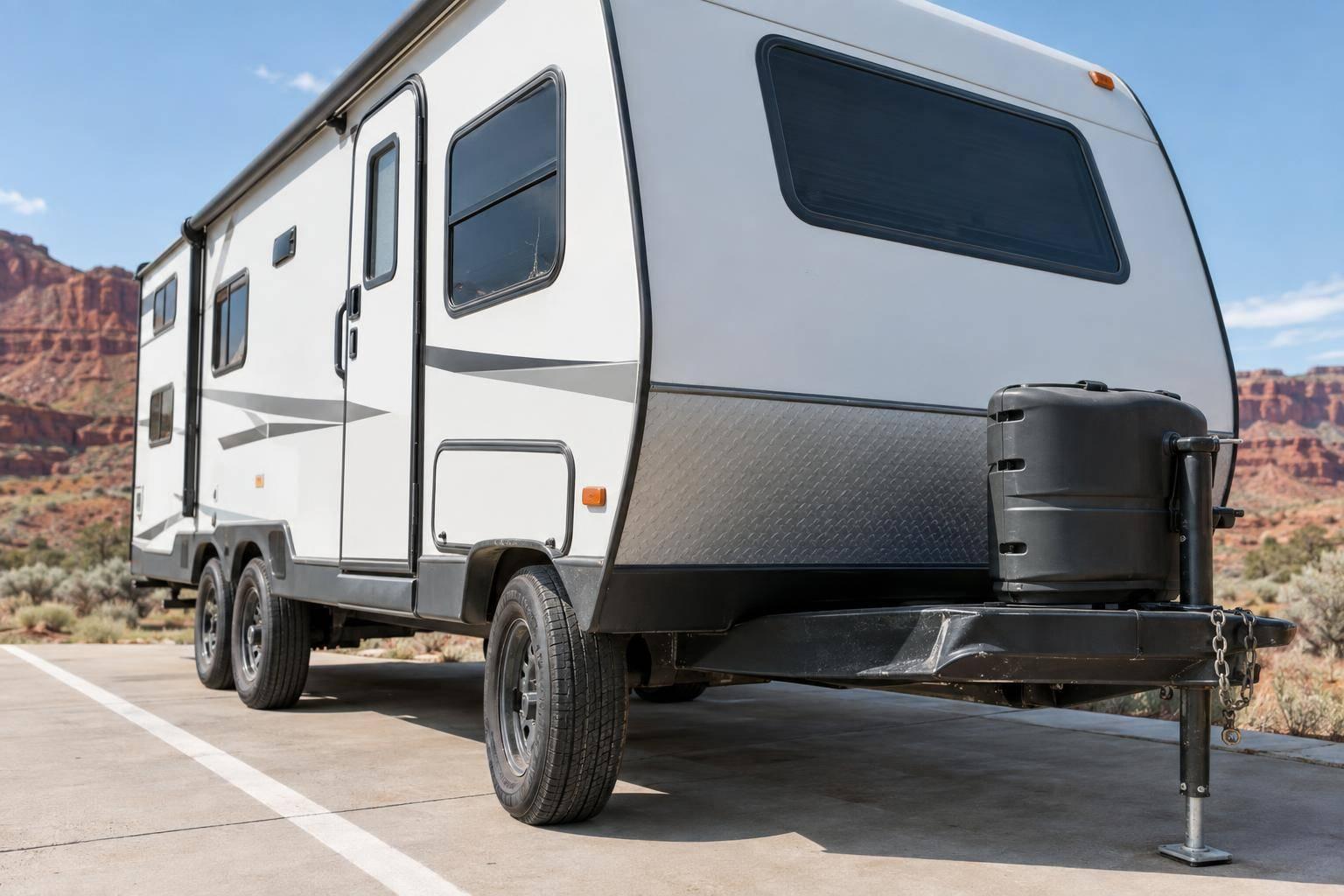
I recommend a frame inspection if your RV develops any of these 5 warning signs - not repairs based on symptoms alone:
These symptoms can also come from tire, suspension, leveling, or body problems. I’d ask a repair shop to check frame measurements against factory specifications before approving structural work.
<u>If you see kinked or torn frame rails, or your RV feels unstable, stop driving or towing and arrange professional transport.</u> Inspect only from outside, never crawl beneath an unsupported RV, and don’t force a binding slide-out or attempt frame repairs yourself.
If those symptoms appear suddenly or get worse, stop in a safe place, secure the RV, and arrange professional transport. Do not drive or tow it if the main structural rails show visible kinking or tearing, or if damage affects multiple structural areas.
After a collision, make sure everyone is safe and contact the police to document what happened. Arrange transport and a structural inspection before moving the RV again.
Inspect only damage you can see from outside: torn metal, supports that have shifted, bent rails, or new separation at seams. Never crawl beneath an unsupported RV or force a slide-out that’s binding.
Do not try to straighten the frame or weld a damaged support. Structural repairs require specialized equipment and procedures suited to the material. Heat can permanently weaken some high-strength steels. If the RV is safe to inspect, the signs below can help you assess whether the frame is damaged.
Check for feathering or cupping on the tires. Watch for pulling, wandering, or an off-center steering wheel, too.
Tire pressure, wheel imbalance, tire defects, suspension wear, or alignment problems can also cause these symptoms.
With the RV parked, photograph each tire and note its position. Record when the wear or tracking changed. If the steering wheel sits off-center while the tires look straight, document that as well.
Do not test-drive an unstable RV to confirm the symptoms. Uneven wear on one side or one axle may point to a shifted frame or suspension.
Arrange a structural inspection if crooked tracking comes with visible rail kinks or tears. Ask for frame measurements along with suspension and wheel checks.
If the tires aren’t the issue, check whether doors, windows, or slide-outs have started to misalign.
If tire wear and tracking look normal, check the openings next. Doors may stick or fail to latch, window gaps may be uneven, and slide-outs may bind or scrape their seals. These signs can point to a shift in the frame.
Uneven ground can temporarily twist the chassis. A single faulty latch, though, may just be a hardware problem. Multiple misaligned openings are more concerning.
Check the openings only after leveling the RV to the manufacturer’s specifications. Look for gaps that narrow from one end to the other and scuff marks in specific spots on slide-out seals. If a slide-out scrapes or binds, stop using it immediately. Don’t force it.
Arrange a structural inspection if several openings remain misaligned after proper leveling. Ask for computerized frame measurements - not just a visual check.
When doors or slide-outs stop lining up, check the body panels for signs of frame stress. Look for diagonal cracks at the corners of doors, windows, or slide-outs. Separating seams, rippled siding, bulges, and bowed panels can also signal trouble.
Old sealant can crack even when the frame is sound. But widening seams, ripples, or changes in panel shape across several areas are more likely to point to frame or support movement.
Check the upper corners of doors, windows, and slide-outs, along with the wall-to-floor seam and corner trim. View the siding at an angle in bright light to spot changes in its shape.
Photograph each area with a ruler for scale. To track changes over time, take follow-up photos from the same position and in similar lighting.
Have separating seams or bowed panels inspected for frame movement or support failure. Stop driving or towing right away if the damage is spreading, a gap exposes the interior structure, or the main structural rails show severe kinking.
If you can see damage in the frame or support members, move to a direct structural check next.
If alignment problems and body damage suggest a deeper issue, check the exposed structure for damage.
Look for bent frame rails, damaged crossmembers or outriggers, cracked welds, severe corrosion, shifted suspension hangers, or damaged hitch or pin-box supports. Any of these signs calls for a direct structural inspection - not just a check of the exterior.
A major collision or hard impact can bend structural members and damage welds beyond the visible impact area.
Inspect from outside only. Check exposed rails and support junctions for obvious kinking, tearing, or deformation. Do not crawl underneath, jack up the RV, or move damaged parts.
Do not drive or tow an RV with visible structural damage. Contact a repair professional immediately. After a major collision, have the RV inspected even if the frame looks intact.
Ask for documented frame measurements checked against factory specs. These measurements can reveal sag, twist, or racking that a visual inspection may miss.
Even without visible frame damage, changes in how your RV moves or sounds can signal trouble. Watch for new or repeated creaks, popping, bangs, excessive sway, or floor movement. These may point to hidden stress at frame joints or failing floor supports.
Loose or damaged body mounts, slide-out issues, suspension problems, and moisture-damaged subfloors can cause these symptoms. Suspension problems may increase sway. A moisture-damaged subfloor may dip or move underfoot.
Park the RV on level ground. Note where the floor moves, check for nearby soft spots, and record when noises occur. From outside, look for uneven gaps around the slide-outs.
Arrange a prompt inspection if symptoms recur or occur together, such as popping with increased sway. Stop driving, towing, or using the RV if noises are severe, handling changes suddenly, or it feels unstable. Have a professional inspect the frame and suspension before using it again.

RV Frame Warning Signs: Inspection Urgency
These signs carry different levels of risk. Use the table to judge urgency - not diagnose damage.
| Observable symptom | Urgency |
|---|---|
| Slight uneven tire wear or one mildly sticking door | Evaluation: Schedule an inspection. |
| Worsening tire wear plus misaligned doors or slide-outs | Prompt: Arrange an inspection before the next trip. |
| Separating seams, body cracks, or several misaligned panels | Prompt: Have the structure assessed before further travel. |
| Kinked or torn main frame rails, or damage near the passenger compartment | Immediate: Arrange professional transport rather than driving or towing. |
| Unstable handling or severe sway | Immediate: Arrange professional transport rather than driving or towing. |
If symptoms worsen or appear together, book a frame-measurement inspection before the next trip.
Ask whether the shop can compare frame geometry with factory specs and inspect critical structural joints. Do not tow an RV with suspected major structural failure.
If you’ve noticed one or more of these signs, have the frame checked - but don’t assume it’s damaged. These symptoms often point to structural movement, especially if they start after an impact or get worse together. Damage can also extend beyond the visible impact area.
A frame inspection should check factory measurements, examine suspension and support mounts, and record any shift with photos and measurements.
If damage is confirmed, repairs must follow the measured findings and meet manufacturer specifications. The work may involve straightening, replacing frame members, or approved welding and reinforcement. Structural repair is not a DIY job. If the inspection points to frame damage, get a documented estimate from a structural repair shop before moving the RV.
Dent Master Collision in Lehi, Utah, provides RV and motor home frame straightening and collision repair for Salt Lake City and nearby areas. Ask for a documented assessment before approving repairs.
Whether your RV’s frame can be repaired depends on where the damage is and how severe it is. Repairs are often safe when damage is limited to one area and the structural rails remain intact. Severe kinking, tearing, or deformation across large areas may call for replacement if it compromises critical safety zones.
A professional assessment is needed to determine whether your RV can be restored to its pre-accident condition.
Insurance coverage for RV frame repairs depends on your policy and the type of damage. Dent Master Collision can guide you through the claims process and work with your insurance provider to help ensure repairs are handled correctly.
We recommend scheduling a professional inspection at our Lehi facility. Our technicians can give you a clear repair estimate and help you decide what to do next.
Certified technicians use specialized diagnostic tools to verify that repairs meet safety and performance standards. Computer analysis confirms frame dimensions are within a 1/16-inch tolerance. Computerized alignment checks verify suspension geometry, including camber, caster, and toe angles.
Technicians also check panel alignment and door fit. They then conduct road tests to assess steering response, stability, and brake performance, and inspect tire wear patterns.
